
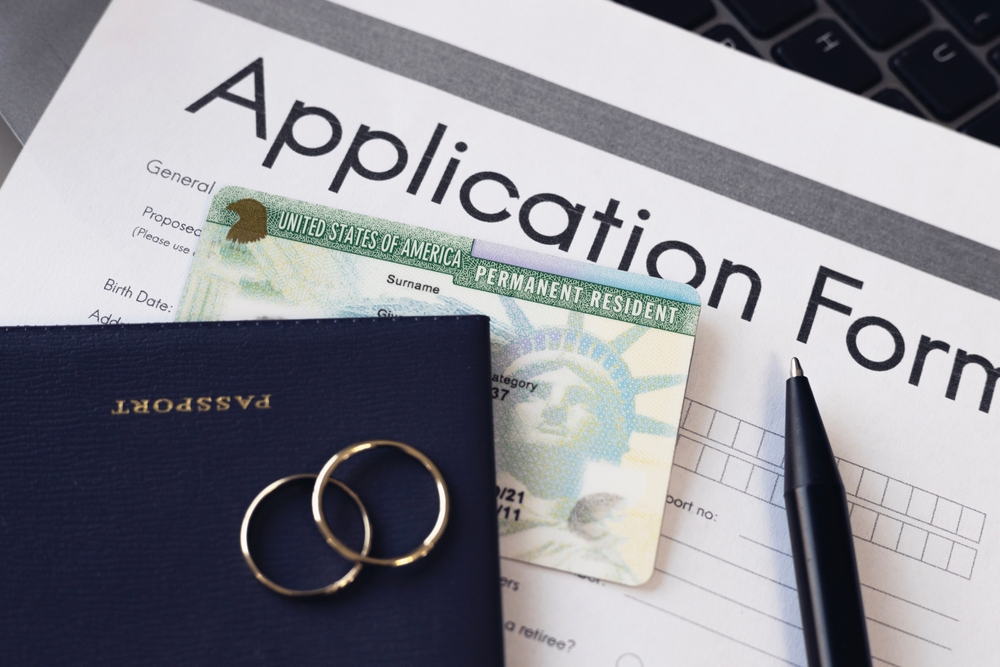
Preparing for the Marriage Green Card Interview: Evidence of Bona Fide Relationship Requirements
A marriage certificate is necessary, but it is not enough by itself.
USCIS treats the marriage certificate as primary proof that the marriage legally took place. That answers one question. The next question is whether the marriage is bona fide, meaning real in intent and real in practice. The officer is trying to see whether the spouses meant to create a genuine marital life together when they married and whether the evidence supports that claim.
That is where the interview becomes important.
An experienced green card lawyer looks at the case through that exact lens before the couple ever sits down with an officer. This is why couples should not treat the interview like a trivia test about the relationship. The officer is comparing the file, the history of the case, and the couple’s statements for consistency. If the spouses say they live together, the address records should support that. If they say they share finances, the financial records should make sense. If the evidence looks thin or rushed, the couple should expect closer attention.
Strong Evidence of a Real Marriage
The strongest evidence usually comes from ordinary life because ordinary life creates records over time. These are the documents USCIS itself points to most often in a spousal case, and they usually carry the most weight because they show shared residence, shared responsibility, and shared planning. A marriage-based green card attorney will often start here when evaluating whether the file looks solid enough for interview day.
- Joint lease, mortgage, or deed
- Utility bills showing the same shared address
- Joint bank account statements with real activity
- Joint credit card statements
- Joint tax returns, when applicable
- Health, auto, renters, or life insurance listing each spouse
- Retirement or beneficiary designations naming the spouse
- Birth certificates of children born to the marriage
These records are hard to fake in a believable way over time. A joint checking account with regular deposits, household payments, and daily activity means more than an account opened a week before the interview and barely used. The same is true for a lease, insurance policy, or tax record created in the normal course of married life. If a couple has been living together and sharing responsibilities, the goal is to show that reality through documents that existed for life reasons, not just immigration reasons.
Supporting Evidence That Helps Prove the Marriage Is Real
Supporting evidence can strengthen the file because it adds context and fills in the human side of the relationship. It shows that the marriage exists outside bank statements and leases. But this kind of evidence usually works best when it supports stronger documentary proof rather than replacing it. USCIS includes affidavits and other relationship evidence as acceptable proof, but couples should understand that these items usually have more value when the case already includes solid housing or financial records.
- Photographs taken over time in different places
- Photos with relatives and friends
- Travel itineraries, hotel bookings, and boarding passes
- Text messages and call logs
- Greeting cards, letters, or emails between spouses
- Event invitations addressed to both spouses
- Social media posts showing the relationship over time
- Affidavits from family and friends with specific details
The key here is detail and timeline. A small set of photographs taken across months or years, in different settings, with both families, often helps more than a large stack of nearly identical wedding pictures. The same goes for affidavits. A letter from a friend that explains who they are, how long they have known the couple, how often they see them together, and what they personally observed is much stronger than a short note saying only that the marriage seems real. In the same way, travel records and communication logs help most when they show continuity, not just a few isolated moments gathered at the last minute.
Weak Evidence That Often Needs Stronger Backup
Some evidence is not useless, but it does very little on its own. The problem is not that the document exists. The problem is that it does not show enough about the couple’s actual married life. This is where many marriage green card cases become vulnerable. A couple may have a real marriage, but the file still looks weak because the following proof does not go far enough.
- Marriage certificate alone
- Wedding photos only
- A joint bank account with little or no real use
- Undated screenshots
- Generic affidavits with vague statements
- Last-minute documents created right before the interview
- A few pieces of mail without broader shared records
- Social media posts without housing or financial proof
These items often raise an obvious question for USCIS: where is the evidence of an ongoing marital union? A marriage certificate proves the marriage happened. Wedding photos prove there was a ceremony or celebration. But neither one, standing alone, proves that the spouses merged their lives after the wedding. The same issue comes up with a new joint account that has almost no activity or affidavits that sound copied and repetitive. If the strongest part of the file is the wedding day and there is very little proof of married life afterward, the case may draw more scrutiny.
How to Handle a Case With Limited Traditional Evidence
Not every couple will have every kind of strong evidence. Some are newly married. Some had to live apart temporarily for work, school, or immigration reasons. Some did not combine finances right away. Those facts do not automatically defeat the case. What matters is whether the couple can explain the situation clearly and support the explanation with the best records available. USCIS reviews the totality of the evidence, not a single required magic document.
That means a thin case can often be improved by organizing what already exists. A couple may not have years of joint banking, but they may have a shared address history, travel records, family photos, insurance forms, beneficiary designations, consistent communication records, and credible affidavits. The goal is to make the file read like real life. It should show how the relationship began, how it developed, and how the marriage continued through the time of filing and up to the interview.
Prepare Strong Evidence Before the Interview Date
A marriage green card interview usually turns on whether the evidence looks real, complete, and consistent. Strong records from daily married life, backed by thoughtful supporting proof, give USCIS a clearer basis to approve the case. If you want help reviewing your bona fide marriage evidence before the interview, speak with Kevork Adanas, P.C. at 201.592.9190 and get the case organized before a weak record creates avoidable delays.