
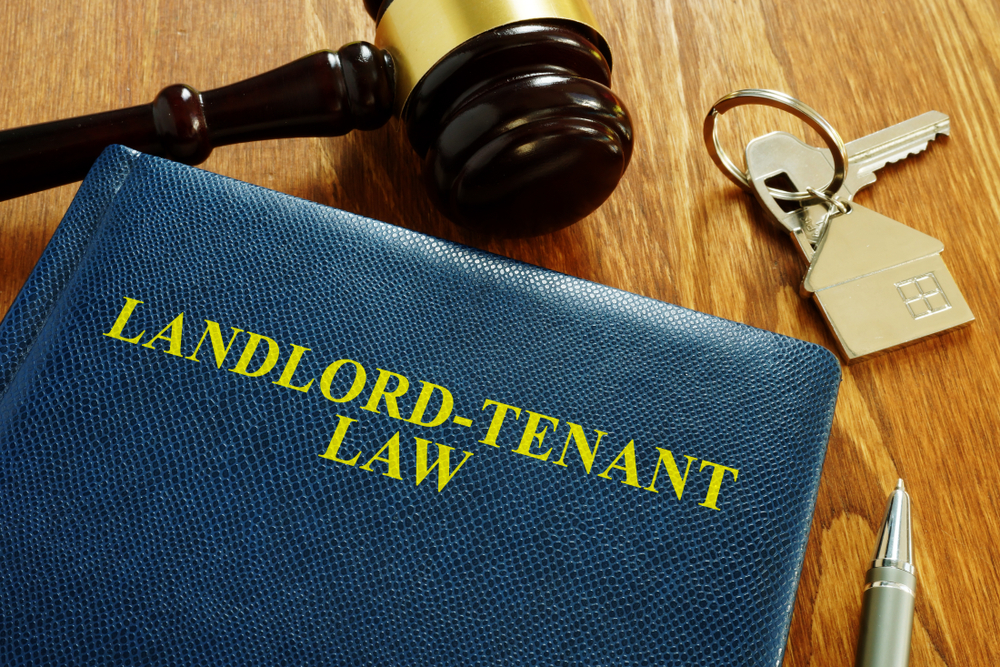
Landlord-Tenant Laws in New Jersey: Lease Disputes, Evictions, and Property Rights
In New Jersey, the difference between a lawful eviction and an unlawful lockout is not the landlord’s reason for wanting possession. It is whether the landlord can prove a statutory ground, serve the required notice, obtain a judgment for possession, and follow the court-ordered removal process. T
The same precision applies to rent increases, security deposits, habitability claims, and lease enforcement. Rights that appear straightforward often depend on property type, notice language, timing, and prior conduct. The points below examine the lease disputes, eviction rules, and property-right claims that most often determine the outcome of a New Jersey landlord-tenant case.
Lease Disputes in New Jersey
Lease disputes begin with the agreement, but a lease cannot eliminate statutory protections or authorize unlawful remedies.
Lease Controls
A lease establishes rent, duration, permitted occupants, utility obligations, maintenance duties, entry provisions, and property-use rules. New Jersey’s Truth in Renting guide explains that lease provisions remain subject to state law.
The most common lease disputes concern these obligations:
- Unpaid rent, late fees, and disputed payments
- Unauthorized occupants, pets, subletting, or business use
- Repairs, alterations, utilities, and property damage
A New Jersey lease dispute attorney compares the agreement with payment records, reports, and notices. Unauthorized charges may be unenforceable, while unsupported rent withholding may breach the lease.
Rent Increases and Renewals
New Jersey has no single statewide percentage cap on residential rent increases, although municipal rent-control ordinances may apply. An increase must comply with the lease, notice requirements, and local law and may be challenged as unconscionable.
For many tenancies covered by the Anti-Eviction Act, lease expiration alone does not permit removal. A landlord generally needs statutory good cause to evict or refuse renewal. A proposed renewal may also create a dispute if it contains an unreasonable change. Counsel should review the property type, exemptions, notice, and proposed terms before treating the tenancy as ended.
Security Deposits
New Jersey law generally limits a residential security deposit to one and one-half months’ rent. Covered landlords must place the funds in an authorized account or investment and provide required information to the tenant.
After the tenancy ends, disputes most often involve these deductions or accounting failures:
- Unpaid rent or utilities
- Damage beyond ordinary wear
- Missing interest or inadequate itemization
The landlord generally must return the balance with an itemized statement within 30 days, subject to limited exceptions. Records and photographs help distinguish lawful deductions from ordinary deterioration.
Evictions in New Jersey
An eviction requires a recognized ground, sufficient notice when applicable, and judicial authority.
Good Cause Must Match the Statute
New Jersey’s Anti-Eviction Act protects many residential tenants from removal without good cause. Statutory grounds include nonpayment, disorderly conduct, willful or grossly negligent damage, substantial lease violations, repeated late payment, and certain property-based grounds. Exceptions may apply to particular owner-occupied properties and housing arrangements.
The asserted ground controls the required proof and notice. A New Jersey eviction lawyer should match the facts to the statute before service because an incorrect theory, missing element, or unsupported allegation may result in dismissal.
Notice Requirements Depend on the Ground for Eviction
Nonpayment cases ordinarily do not require the same pre-suit notices used for many conduct or lease-violation cases. Other grounds may require a Notice to Cease, a Notice to Quit, or both. The notice must state sufficient facts and provide the required period before filing.
A legally sufficient notice should identify:
- The conduct, breach, or statutory ground
- The dates and facts supporting the claim
- The termination date or required corrective action
Vague allegations such as “ongoing lease violations” may be inadequate. Prior acceptance of conduct or inconsistent enforcement may also matter. A New Jersey landlord attorney can prepare the notice, while tenant’s counsel can challenge defects affecting possession.
Only the Court Process Can Remove a Residential Tenant
A landlord begins an eviction in the Landlord Tenant Section of the Superior Court’s Special Civil Part. The landlord must prove the right to possession at trial or obtain a lawful settlement. A judgment for possession does not authorize an immediate lockout.
Under the New Jersey Judiciary’s eviction process, the landlord must request a warrant of removal. A Special Civil Part officer serves the warrant, and the tenant ordinarily receives three business days before removal. Only the authorized officer may execute the eviction.
Landlords may not change locks, remove doors, shut off utilities, seize belongings, or force tenants out without lawful process. Tenants should not ignore court papers because payment records, defective notices, repair evidence, retaliation, and other defenses must be raised promptly.
Property Rights of New Jersey Landlords and Tenants
New Jersey law protects tenant possession while preserving the landlord’s rights to rent, access, and property protection.
Tenants Have a Right to Habitable Housing
New Jersey recognizes an implied warranty of habitability in residential leases. Landlords must maintain housing that is safe, sanitary, and fit for occupancy. Serious failures involving heat, water, electricity, plumbing, structure, infestation, or sanitation may support legal remedies.
Tenants should report defects in writing, preserve evidence, and allow reasonable repair access. Withholding rent or arranging repairs without legal advice is risky because the tenant may need to prove the condition, notice, repair opportunity, and claimed offset.
Landlords Retain Rights to Rent, Access, and Property Protection
Tenant protections do not eliminate ownership rights. A landlord may collect lawful rent, enforce reasonable lease provisions, seek compensation for damage, inspect or repair the unit with appropriate notice, and recover possession when statutory grounds exist.
Entry rights depend on the purpose, lease, circumstances, and applicable rules. Repeated unnecessary entry may interfere with possession, while refusal of reasonable access may prevent inspections or repairs.
Retaliation and Self-Help Can Create Separate Liability
A landlord should not answer a good-faith code complaint, tenant organization activity, or assertion of legal rights with a retaliatory eviction or substantial tenancy change. New Jersey’s Reprisal Law protects tenants in covered circumstances.
Tenants likewise may not damage property, obstruct lawful access, or treat a repair dispute as permission to disregard every lease obligation. Both sides should use recognized legal remedies rather than pressure tactics that create additional claims.
Resolve a New Jersey Landlord-Tenant Dispute on the Correct Legal Ground
Lease disputes, eviction cases, and property-right claims require different proof and procedures. Documentation and timely legal action often determine whether the dispute ends through settlement, dismissal, judgment, or a lawful transfer of possession. Kevork Adanas, P.C. reviews leases, notices, rent records, repair evidence, security deposit deductions, and possession claims to identify the remedy New Jersey law permits. Call 201.592.9190 to speak with a New Jersey landlord-tenant lawyer before a defective notice, missed court date, or unlawful action changes the outcome.